Cold and damp home in Portugal?Why it happens and what actually helps
In most Portuguese homes the cause is the same: uninsulated walls and ceilings, where water vapour from the house cools down and condenses. If you moved here from a colder country, the first winter can come as a surprise. Here is how to tell where the damp comes from and what actually helps.
By David Francisco, civil engineer at EnergyEase · Published 16 October 2026
Sound familiar?
Walls cold to the touch
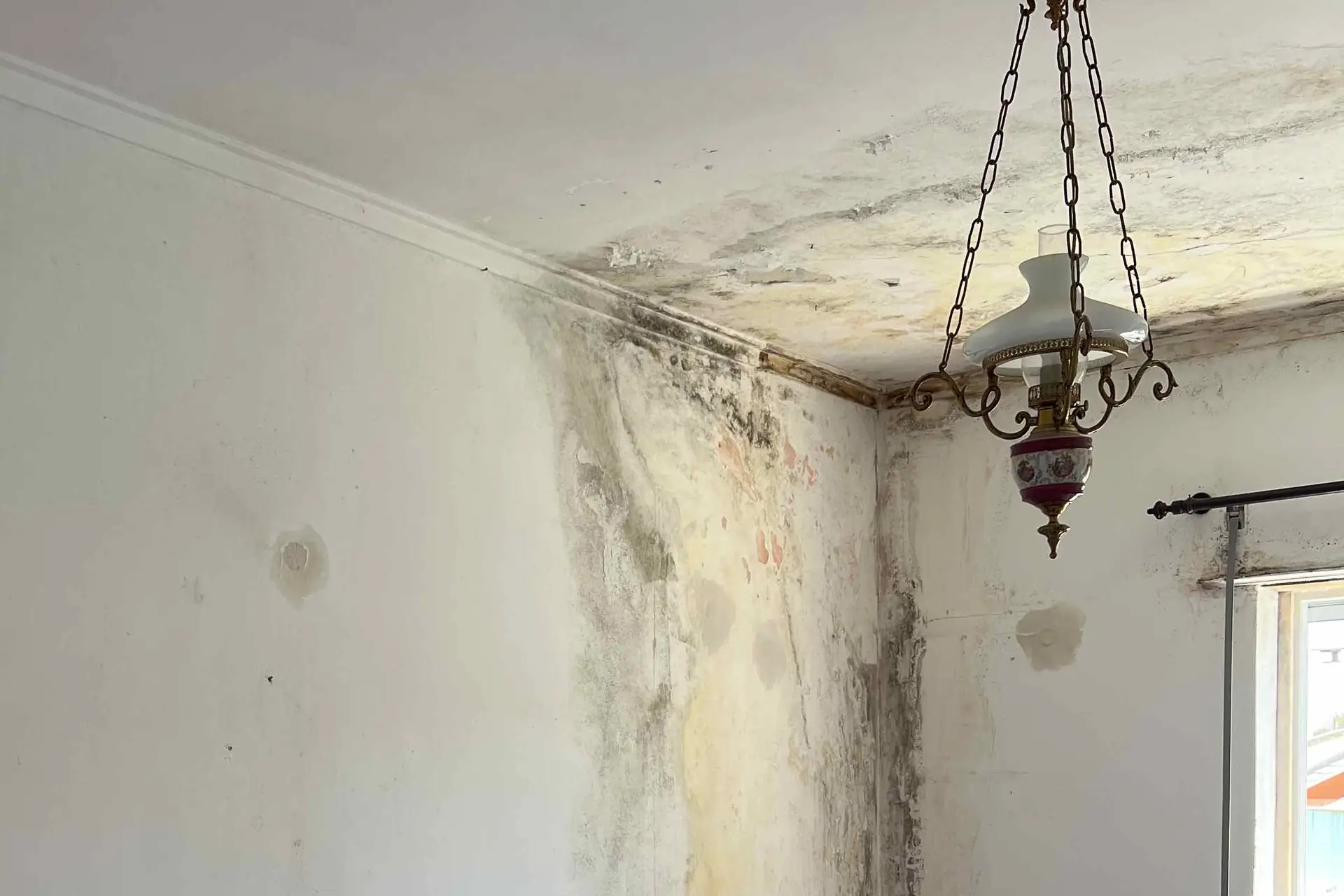
Mould behind the wardrobe or in ceiling corners
Windows streaming in the morning
“Work done to solve a condensation problem. Now the critical time has come, with lower temperatures, there is no trace of it.”
Free, no obligation
Cold or mouldy home?
At the visit we look at the walls, the cavity and the attic, and tell you what is worth insulating. Written quote usually within 48 h.
We use your details only to plan the visit and send your quote.
5.0 on Google
from 54 reviews
Free technical visit
with an inspection camera
We tell you what we do not fix
leaks come first
Written quote
usually within 48 h
Why it happens
Why so many Portuguese homes are cold and damp
Many homes were built for a mild climate, without central heating and without insulation rules: Portugal's first thermal regulation for buildings only came in 1990. In winter, the outside walls get cold on the inside, and that is where the moisture in the house turns back into water.
Where does the damp come from?
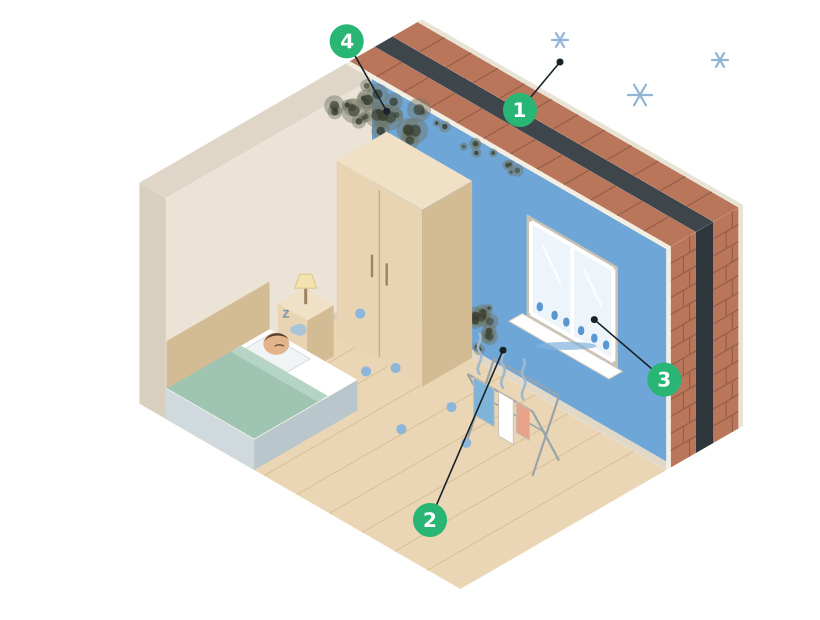
From everyday life. In a family of four that dries laundry indoors, it can add up to about 15 litres of water a day in the air of the house, without noticing.
Tape a square of aluminium foil over the stain, sealed all round, and wait about 48 hours.
Moisture on the room side of the foil: condensation, from the air in the house. Moisture on the wall side: water is coming from inside the wall, from a leak or from the ground.
It gives an indication, not a diagnosis. At the visit we look at the wall and, if needed, inside it with a camera.
Not sure which one you have?
At the free visit we look at the wall, the cavity and the attic, and tell you where the damp comes from before we quote.
Insulation makes the walls less cold, but it does not remove vapour from the house: vapour only leaves when the air is renewed. That is why the World Health Organization recommends that insulation always goes with good ventilation. If you also replace the windows with more airtight ones, airing matters even more.
Open wide, for a short time
Windows fully open for 5 to 10 minutes, 2 to 3 times a day. When it is cold or windy the air changes faster, and 5 minutes is enough.
Create a draught
Open windows on opposite sides of the house, not side by side, and leave the inside doors open. Then 3 to 5 minutes is enough.
Air right when there is vapour
The bedroom when you get up. The bathroom and kitchen during and right after a shower or cooking, with the door closed so the vapour does not spread through the house.
4 more tips ↓
Do not leave windows ajar for hours
It renews little air, wastes a lot of heat and cools the wall around the window, which is exactly where condensation then forms.
Switch the heater off while you air
In a few minutes the air goes out, but the walls and furniture keep their heat. Once you close the window, the house warms up again quickly.
Remove vapour where it starts
Cooker hood on and lids on pans. Laundry dried outside or in a well-aired room with the door closed.
Let the air move
Do not block the vents, and keep furniture a few centimetres away from outside walls.
It takes water out of the air and helps on very humid days. But it does not renew the air or warm a cold wall: when you switch it off, the damp comes back.
The cause is dealt with by fresh air every day and, if the wall is cold, by insulation.
If you air the house and the mould keeps coming back in the same place, that wall or ceiling is too cold. Insulation makes those surfaces less cold on the inside and lowers the risk of condensation. Where to start depends on the house.
Swipe to see all three options →
Top floor or house
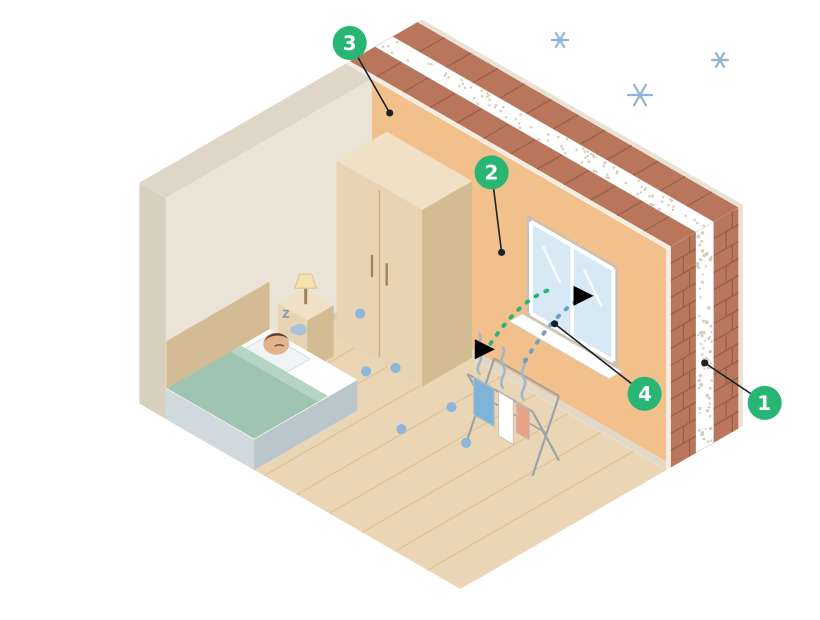
Attic or ceiling
Often the cheapest
€25–45/m²
Attic floor. Above an existing false ceiling: €35–70/m²
Worth it if
There is mould on bedroom ceilings
You live on the top floor or in a house
The attic or false ceiling is accessible
On the top floor, the ceiling is the largest surface exposed to the cold. It is often the first step.
Prices incl. VAT, from projects completed in 2025 and 2026. The final price is the one in the written quote, after the visit. Compare the options →
The technical visit
What we check before we quote
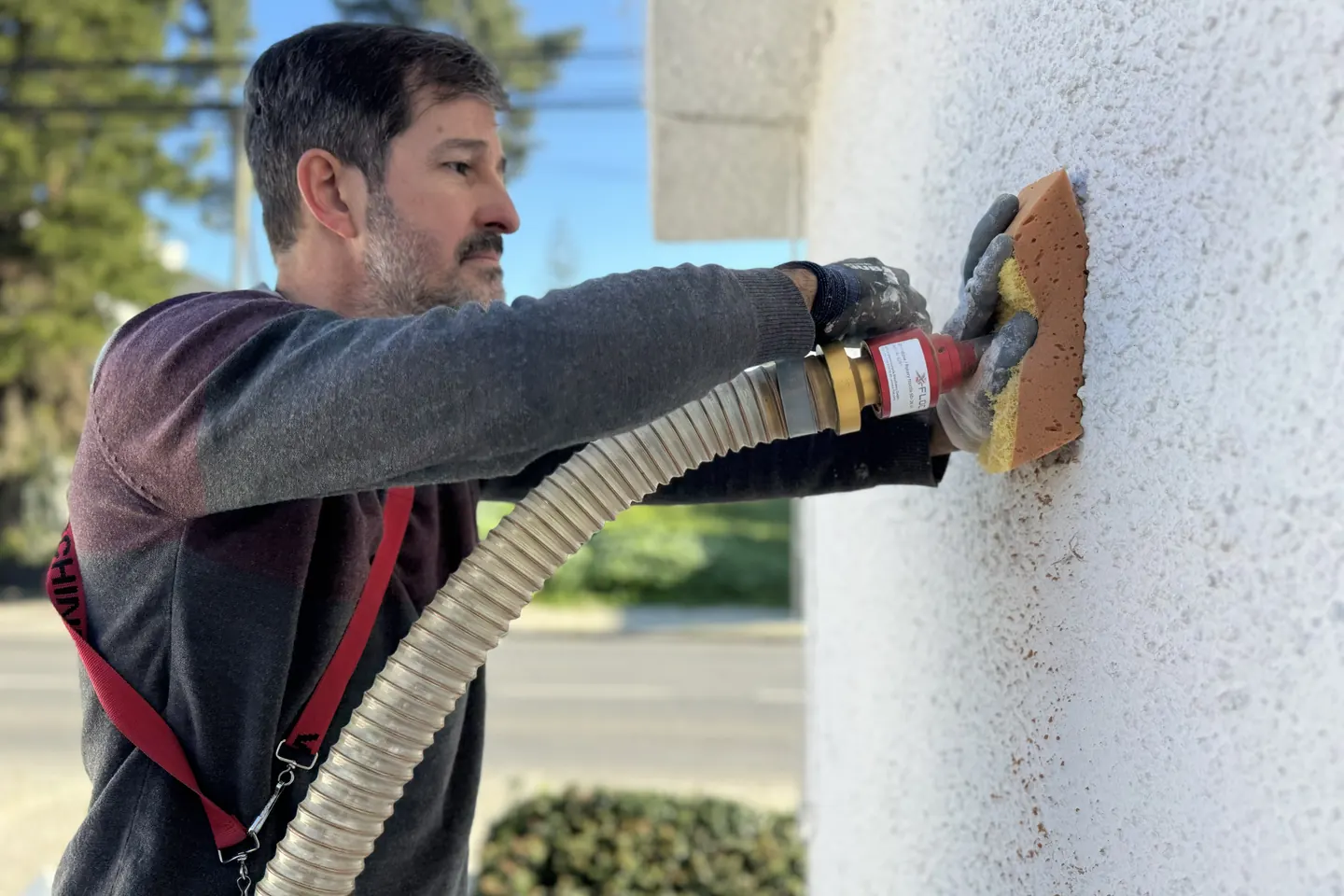
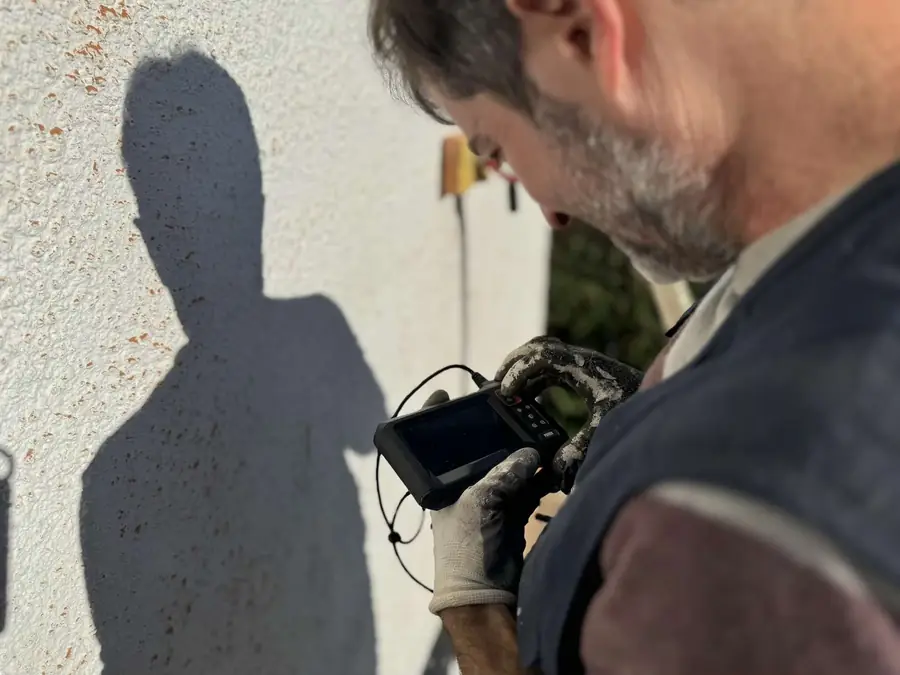
We look at where the stains are and on which walls. We measure the areas and, through a small hole, check with a camera whether the wall has a cavity and what state it is in.
If the damp comes from a leak, the roof or the ground, we tell you. Insulating a wet wall does not fix it: first deal with the cause, then insulate.
What we do not do
Roof repairs and leak repairs
Waterproofing
Treatment of rising damp
At the visit we look inside the wall with a camera.
“Four months after we insulated the walls and the attic, the thermal comfort in the house has improved a lot. […]”
Mario C. · Google, translated from Portuguese
“[…] only took a day to complete. […] It has made a big difference to internal temperatures during cold spells.”
LM W. · Google review
“[…] 4 windows […] collected water from condensation on the inner frames, until it completely soaked the plasterboard of the wall. With Energyease's solution (cork + gypsum boards), the problem was solved.”
Eduardo N. · Google, translated from Portuguese
How it works
From request to insulated home
1
Today
Request
Fill in the form or call us. We arrange the visit.
2
Free
Technical visit
We look at the stains, the walls, the cavity and the attic.
3
Usually within 48 h
Written quote
With the final price incl. VAT and what to insulate first.
4
When you decide
Work
Blown-in insulation is done in 1 to 3 days in a typical house.
Mould that keeps coming back in the same spot?
At the free visit we find out where the damp comes from and what is worth insulating. If it is a leak, we tell you. The written quote usually follows within 48 hours.
Another question? Call us on 210 270 937 or message us on WhatsApp.
How do I get rid of mould on the wall, and why does it come back?
If the patch is small (up to half a square metre) and only on the surface, you can clean it: wearing gloves and a mask, with the window open, wipe it with 70% alcohol or a mould remover and let it dry. Larger patches, or mould (mold) that has gone into the wall, need a professional, and people with allergies or breathing problems should not clean it themselves. Cleaning is not enough: if the wall stays cold and the air damp, the mould comes back in the same place. Air the house every day, move furniture away from outside walls and check whether it is condensation or a leak. If it keeps coming back on a cold wall, insulating that wall or the ceiling lowers the risk. Cleaning advice based on the German Environment Agency.
How do I know if it is condensation or a leak?
Condensation shows in corners, around windows and behind furniture, and gets worse on cold days. A leak leaves yellowish stains that get worse after rain. The aluminium foil test gives an indication: moisture on the room side of the foil is condensation; on the wall side, the water comes from the wall.
How do I stop condensation on the windows?
Open the windows every day, wide and for a short time, especially when you get up and after showering and cooking, and wipe off the water that collects on the glass and frame. Single glazing and aluminium frames without a thermal break are the coldest surfaces in the house, so water shows there first. New, more airtight windows cut draughts but also fresh air: after replacing them, airing matters even more.
Why is my house in Portugal so cold in winter?
In most Portuguese homes the walls and ceilings have no insulation: the first thermal regulation for buildings only came in 1990. Many homes also have no central heating. The house loses heat through the outside walls, the top-floor ceiling and the windows, and the surfaces stay cold on the inside.
Why does it feel colder inside than outside?
On a sunny winter day it can be warmer outside at midday than indoors. Uninsulated walls stay cold and, without central heating, the house never warms up. Insulation helps the house keep the heat you put in.
Will insulating the walls get rid of the mould?
It lowers the risk of condensation, because the walls are less cold on the inside. It is not a guarantee: the house still needs airing, and insulation does not fix leaks or rising damp, which must be dealt with first.
What are thermal bridges?
Parts of the wall that get colder than the rest: pillars, beams, slab edges, corners and roller-shutter boxes. That is where condensation and mould appear first. Blown-in insulation insulates the wall inside the cavity, but not the concrete pillars and beams; capoto, on the outside, covers those too. At the visit we show you where the thermal bridges in your home are and what each option solves.
Does a dehumidifier solve the damp?
No. It takes water out of the air and helps on very humid days, but it treats the symptom, not the cause: it does not renew the air or warm a cold wall. When you switch it off, the damp comes back. The cause is dealt with by airing every day and, if the wall is cold, by insulating it.
After insulating, do I still need to air the house?
Yes. Insulation makes the walls less cold, but showers, cooking and breathing keep producing vapour, and it only leaves when the air is renewed. Open the windows every day and use the cooker hood and bathroom fan.
Does the wool in the cavity not get damp?
The mineral wool we blow in is water-repellent. But the wall must be sound: leaks or rising damp are dealt with before insulating. At the visit we check the state of the wall.
How do I know the cavity was properly filled?
We photograph the wall before we start and at the end. During the work you can ask us at any time to look inside the wall together with the endoscope camera, and you can count the bags of wool that go into the wall.
I rent. What can I do?
Insulation is the owner's decision and, for the façade of a building, the condominium's. The tips on this page still help. If your landlord wants to look into it, we do the visit and the written quote free of charge.
Where do I start on a small budget?
On the top floor, with the attic or ceiling: the attic floor costs €25–45/m². If the walls have a cavity, blown-in insulation costs €25–45/m² and takes 1 to 3 days. You can also start with the coldest room, with an insulated lining wall.
Don't just take our word for it - hear from those who have experienced the EnergyEase difference.
I am very satisfied with the results so far. The change was noticeable right after the completion of the intervention.
João Baptista
Setubal, Portugal
Excellent result, completely satisfied.
Maria Ribeiro
Lisbon, Portugal
Everything went as expected. The team was extremely professional, careful, and especially attentive to daily cleaning after finishing the work. Small details that make a difference. Communication was always easy and flawless. I would hire them again—highly recommended.
Andreia Ferreira
Setubal, Portugal
Tomás Rodrigues
Normalmente responde em cerca de 1 hora
Olá, bem-vindo à EnergyEase! 👋
Sou o Tomás. Tem dúvidas sobre isolamento ou quer um orçamento gratuito? Fale connosco por WhatsApp, chamada ou e-mail. Teremos todo o gosto em ajudar!






.svg)


