Mineral wool
- Where we use it
- Walls, attic, false ceiling and lining wall
- Insulation (λ, W/m·K)
- 0.033 Supafil 033
0.034 URSA KD
0.040 Volcalis rolls - Reaction to fire
- A1 Supafil and URSA (walls)
- Price, VAT incl.
- €20–45/m² walls
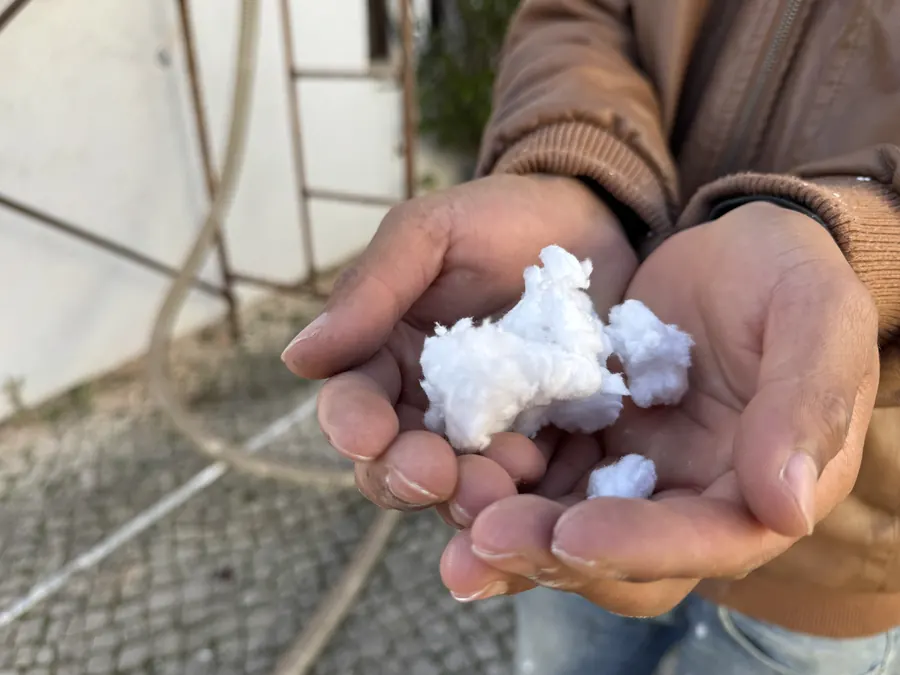
Insulation materials
Mineral wool, cork and cellulose: where we use each, what the sheet says and what it costs. Choose by part of the house ↓
By David Francisco, civil engineer at EnergyEase · Updated 1 November 2026
Free, no obligation
Book a free technical visit
We look at the house, tell you which material suits each part and send a written quote.
Prefer to talk? 210 270 937 or WhatsApp
We only use your details to book the visit and send the quote.
5.0 on Google
from 56 reviews
Free technical visit
with an inspection camera
Published prices
per m², VAT included
Written quote
free, no obligation
Choose by part of the house
Short answer: mineral wool works almost everywhere in the house. Cork is the natural option, on request. We only use cellulose on the attic floor.
Cellulose: we do not use it in walls. Not sure the wall has a cavity? Take the test.
From outside, the most complete solution is capoto, with EPS or rock wool.
Prices include VAT. The final price is the one in the written quote, after the visit. See all prices.
Quick sheet
Swipe to see more →
Values from the manufacturers’ technical sheets. The lower the λ, the better it insulates.
Documents
Capoto (ETICS)
Outside, as boards. We mostly use EPS; rock wool is an option. Capoto →
What we do not use
We only blow in and fit rolls and boards. We do not spray insulation. We do not use cellulose in walls.
Google reviews
5.0from 56 reviews on Google
Swipe for more reviews →
“Good evening. Four months after we insulated the walls and the attic, the thermal comfort in the house has improved a lot.
As for the process, I can only say that everyone involved was more professional than average, very helpful and quick in carrying out the work, meeting the agreed deadlines.”Mario C. · Google, translated from Portuguese
“The team were prompt, knowledgeable, efficient and polite, working around a building site and accommodative to our issues. Great price and service and would recommend to anyone who, like us, had a house with no insulation!! Thanks EnergyEase!!”
SRG77 · Google
“Everything went as expected.
The team was super professional and careful, and especially attentive to the daily clean-up after finishing the work.
Small details, but they make a difference.
Communication was always easy, with nothing to fault.
I would hire them again, highly recommended.”Andreia F. · Google, translated from Portuguese
Every home is different. On a free visit we look at walls, attic and ceilings and tell you which material suits each place.
Questions
Another question? Call 210 270 937 or message us on WhatsApp.
If the wall has a cavity, blown mineral wool gives the best balance of price and insulation: €20–45/m², in 1 to 3 days. Without a cavity, there is capoto (ETICS), the most complete solution because it also covers pillars and beams, or a lining wall from inside. See the wall insulation guide.
It depends on access. With access from inside and if you will go back up, mineral wool rolls (€25–35/m²). Without easy access, blown wool or cellulose on the slab (€30–45/m²). See the attic guide.
At the same thickness, the material with the lowest λ insulates more. From the sheets: blown Supafil 033, 0.033; URSA Pure Floc KD, 0.034; Isocell cellulose, 0.037; Volcalis rolls, 0.040; cork granules, 0.040 to 0.041. In practice, where it goes and how thick it is also count.
In capoto, yes: we mostly use EPS and, on request, rock wool. We do not blow EPS into cavity walls: we use mineral wool or, on request, cork. See capoto (ETICS).
On this page, in the Technical sheets section. If you want the sheet or declaration of performance for the exact product in your job, ask us with the quote.
Keep reading
Don't just take our word for it - hear from those who have experienced the EnergyEase difference.